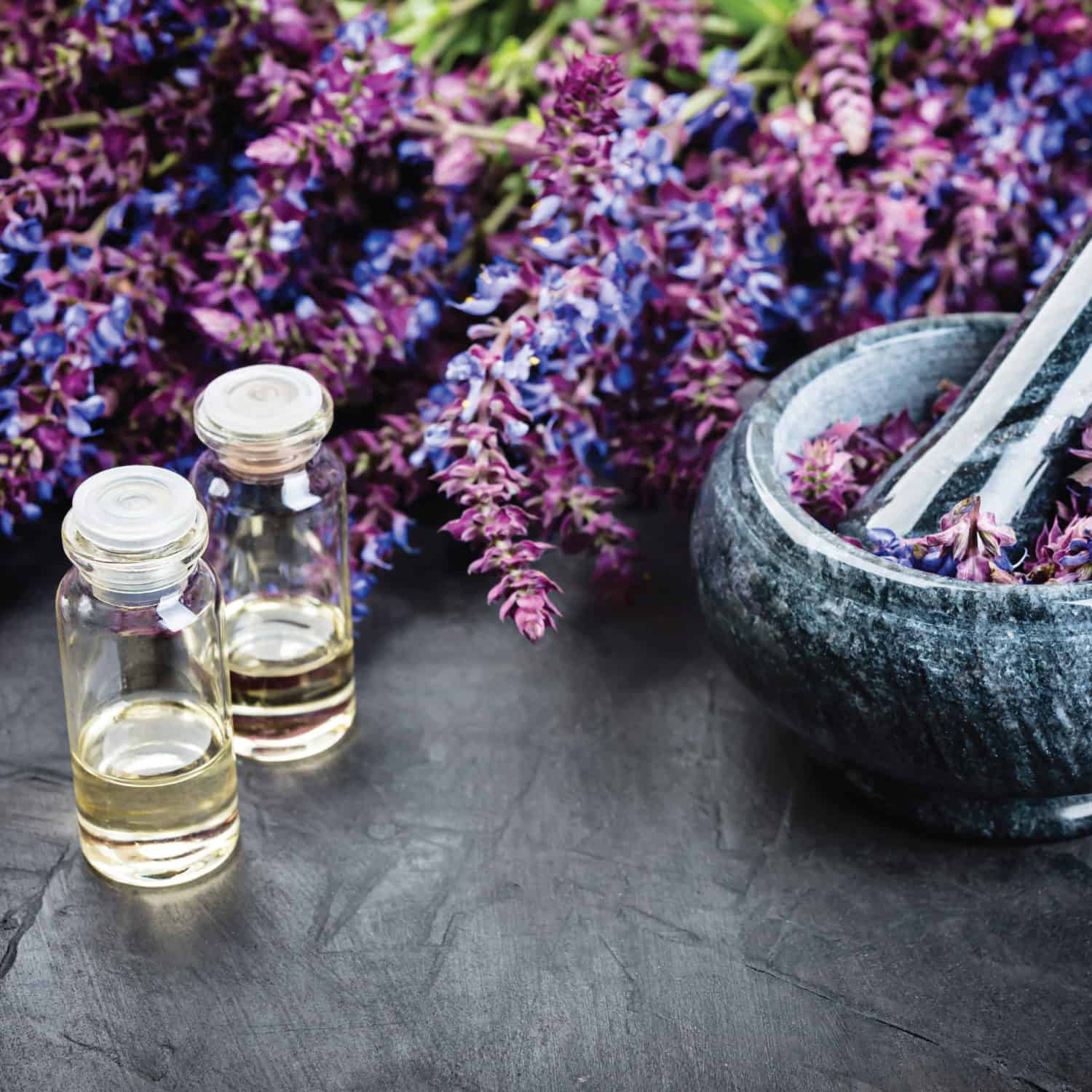
LAVENDER ESSENTIAL OILS BENEFITS AND USES

Lavender essential oil is one of the most popular and versatile essential oils used in aromatherapy. Here are some of its key benefits and uses:

Benefits:

  1. Stress Relief and Relaxation:
    • Lavender oil is well-known for its calming and soothing properties, making it an excellent choice for reducing stress and anxiety. It can help create a sense of peace and relaxation.
  2. Improves Sleep:
    • Lavender is often used to promote better sleep. A few drops on a pillow or in a diffuser can help improve the quality of sleep, making it easier to fall asleep and stay asleep.
  3. Pain Relief:
    • Lavender oil has anti-inflammatory and analgesic properties, which can help relieve muscle pain, headaches, and joint pain. It is often used in massage oils or added to bathwater.
  4. Skin Care:
    • Lavender is gentle on the skin and can help with various skin conditions such as acne, eczema, and minor burns. Its antibacterial properties can aid in healing cuts and scrapes.
  5. Respiratory Health:
    • Inhalation of lavender oil can help relieve symptoms of respiratory conditions like colds, flu, and allergies. It can help clear sinuses and reduce congestion.
  6. Antimicrobial Properties:
    • Lavender oil is known for its ability to combat bacteria and fungi, making it a good option for cleaning and disinfecting.
  7. Mood Booster:
    • The aroma of lavender oil can help uplift mood and reduce feelings of depression. It’s often used in diffusers to create a positive and calming atmosphere.

Uses:

  1. Aromatherapy:
    • Add a few drops to a diffuser or inhale directly from the bottle to experience its calming effects.
  2. Topical Application:
    • Mix with a carrier oil (like coconut or jojoba oil) and apply to the skin for pain relief, or use it to soothe irritated skin. It can also be added to lotions and creams.
  3. Bath Additive:
    • Add a few drops to bathwater to help relax muscles and calm the mind.
  4. Sleep Aid:
    • Place a drop or two on your pillow or bedding before sleep, or use in a diffuser in your bedroom.
  5. Massage Oil:
    • Mix with a carrier oil for a relaxing massage that also helps relieve muscle tension.
  6. Inhalation:
    • Inhale directly from the bottle or add a few drops to a handkerchief or tissue for quick stress relief.
  7. Room Spray:
    • Mix with water in a spray bottle to create a natural air freshener that promotes relaxation.
  8. Skincare Products:
    • Incorporate lavender oil into homemade skincare products, such as facial masks, toners, or soaps, to harness its benefits for the skin.

Lavender essential oil is a must-have for its wide range of uses and benefits, making it a valuable addition to any self-care routine, especially for healthcare workers looking to manage stress and promote overall wellness.

Diluting essential oils is crucial to ensure their safe use, especially when applying them to the skin. Here’s how you can dilute essential oils properly: 

Dilution Guidelines:

  1. Choose a Carrier Oil:
    • Carrier oils are neutral oils used to dilute essential oils. Popular options include:
      • Coconut oil (fractionated or regular)
      • Jojoba oil
      • Sweet almond oil
      • Olive oil
      • Grapeseed oil
      • Avocado oil
    • Choose a carrier oil based on your skin type and the desired consistency.
  2. Dilution Ratios:
    • The dilution ratio depends on the intended use, the person’s age, and the sensitivity of the skin. Here are some general guidelines:
      • 1% Dilution (6 drops per ounce of carrier oil):
        • Suitable for children, pregnant women, elderly, or people with sensitive skin.
      • 2% Dilution (12 drops per ounce of carrier oil):
        • Appropriate for daily use on the body, such as in lotions, creams, or body oils.
      • 3% Dilution (18 drops per ounce of carrier oil):
        • Ideal for short-term use on specific areas, like for pain relief or in a massage blend.
      • 5% Dilution (30 drops per ounce of carrier oil):
        • For short-term use on small areas of the body, such as for treating sore muscles.
      • 10% Dilution (60 drops per ounce of carrier oil):
        • Used for acute issues like severe pain or to target specific skin conditions. Should be used with caution.
  3. Mixing:
    • Measure the desired amount of carrier oil into a clean container (glass is preferred).
    • Add the appropriate number of drops of essential oil based on your chosen dilution ratio.
    • Mix well by shaking the bottle or stirring with a clean utensil.
  4. Application:
    • Always do a patch test before widespread application, especially if you have sensitive skin or are using a new essential oil.
    • Apply a small amount of the diluted oil mixture to a small area of skin (e.g., inside of the forearm) and wait 24 hours to check for any adverse reactions.

Dilution Tips:

  • Avoid the Eyes and Mucous Membranes: Even diluted essential oils should not be applied near the eyes or other sensitive areas.
  • Consider the Purpose: For facial applications, a 1% dilution is usually sufficient, while a 2-3% dilution is better for body applications.
  • Storage: Store your diluted oil mixtures in a cool, dark place, preferably in dark glass bottles to protect them from light and heat.

By following these guidelines, you can safely enjoy the benefits of essential oils while minimizing the risk of skin irritation or sensitization.

WHERE TO APPLY

When using diluted essential oils, where you apply them can influence their effectiveness depending on the intended benefit. Here are some common areas to apply essential oils:

1. Temples:

  • Use: To relieve headaches, reduce stress, and promote relaxation.
  • How: Gently massage a small amount into the temples in circular motions.

2. Behind the Ears:

  • Use: For stress relief, relaxation, and to support the nervous system.
  • How: Apply a drop behind each ear, massaging lightly.

3. Neck:

  • Use: To help with tension, promote relaxation, or support respiratory health.
  • How: Apply to the back of the neck and massage down toward the shoulders.

4. Chest:

  • Use: To support respiratory health or ease congestion.
  • How: Rub a small amount on the chest, especially before sleep or when feeling congested.

5. Wrists:

  • Use: For quick stress relief, mood enhancement, or energy boost.
  • How: Apply to the inner wrists and rub together, inhaling the scent deeply.

6. Abdomen:

  • Use: To aid digestion, relieve menstrual cramps, or soothe an upset stomach.
  • How: Massage diluted oil in a clockwise motion on the abdomen.

7. Soles of the Feet:

  • Use: For overall wellness, to promote relaxation, or boost immunity.
  • How: Apply to the soles, as the skin here is thick and can absorb oils effectively. This is especially good before bedtime.

8. Lower Back:

  • Use: For pain relief, muscle relaxation, or to support the kidneys.
  • How: Massage diluted oil into the lower back, particularly if experiencing discomfort in that area.

9. Forehead:

  • Use: To relieve headaches or improve concentration.
  • How: Apply a small amount to the center of the forehead or along the hairline.

10. Ankles:

  • Use: For grounding, calming, or to support circulation.
  • How: Rub a small amount around the ankles.

11. Behind the Knees:

  • Use: To support circulation or soothe leg discomfort.
  • How: Apply to the soft area behind the knees, especially after prolonged standing.

12. Back of the Hands:

  • Use: For stress relief and quick inhalation.
  • How: Apply a drop to the back of your hands and bring them close to your face to inhale the aroma.

13. Scalp:

  • Use: To stimulate hair growth, soothe the scalp, or reduce stress.
  • How: Mix with a carrier oil and massage into the scalp, then rinse or leave overnight if desired.

Tips for Application:

  • Start with Less: Less is more when it comes to essential oils, especially when applying to sensitive areas.
  • Patch Test First: Always perform a patch test before using essential oils in larger areas to ensure you don’t have an allergic reaction.
  • Avoid Sensitive Areas: Refrain from applying essential oils near the eyes, inside the ears, or on broken skin.

By targeting these areas, you can maximize the benefits of essential oils and support your overall wellness.


Meet Amalia

Amalia Misir, the visionary behind Wellness Essence, brings a wealth of expertise and passion to the mission of inspiring nurses to practice self-care. With a Doctor of Nursing Practice (DNP), Amalia has dedicated her career to supporting the mental and physical well-being of her fellow healthcare professionals.

Search my site

Sign Up for My Newsletter

Recent Post